Years of Engineering
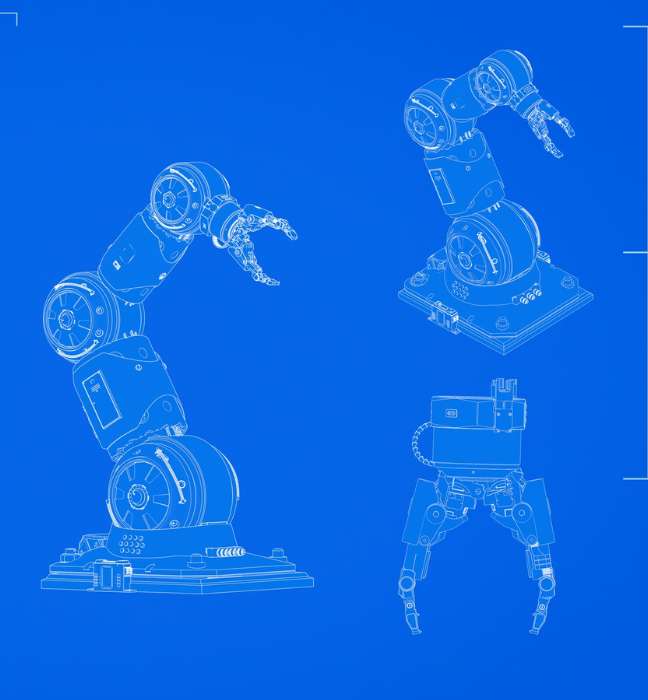
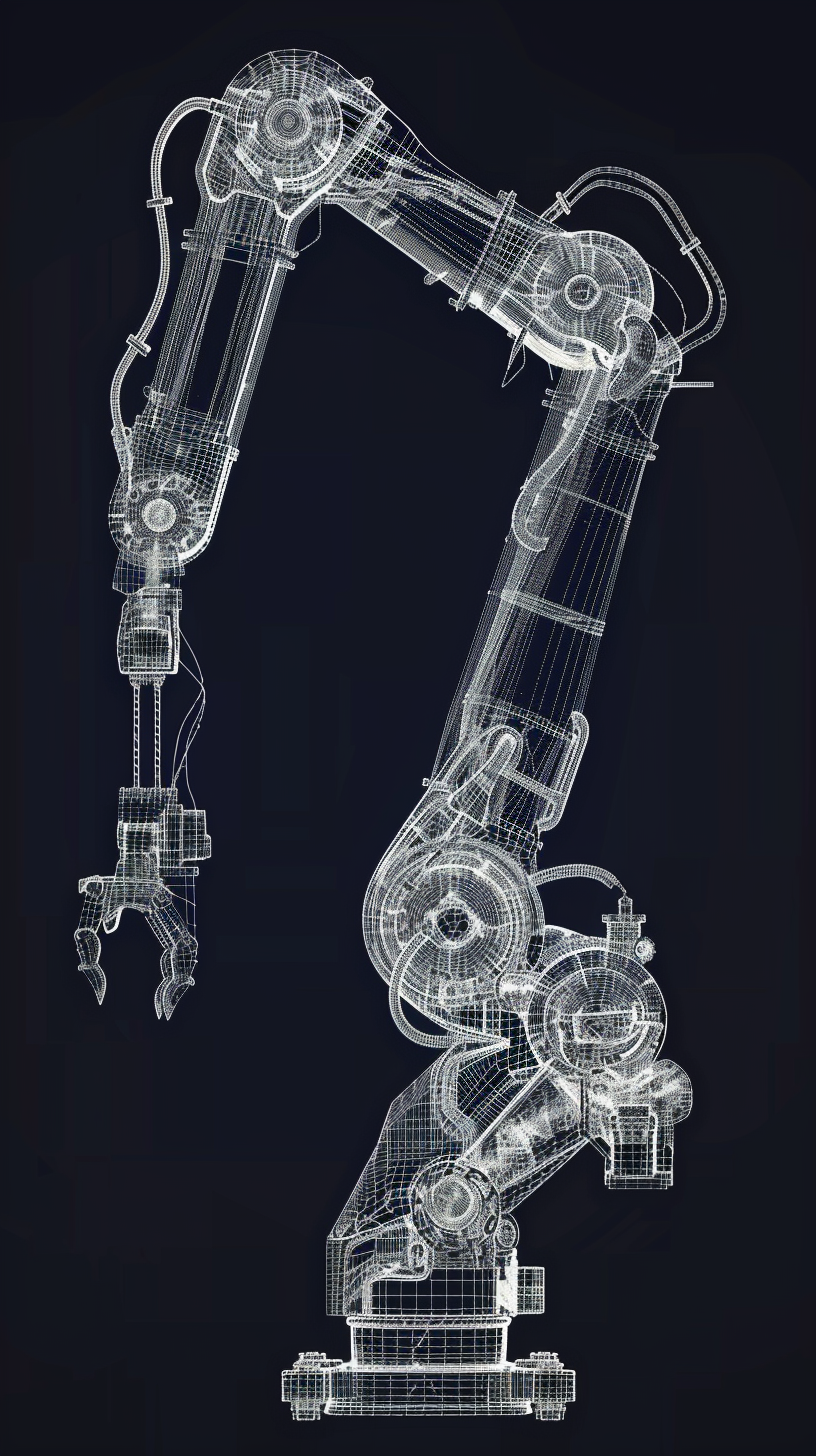
With leading technologies and years of expertize, we engineer robotic systems. From autonomous
mobile systems and warehouse logistics, to manipulation and experimental robotics – we deliver
complete design and documentation for clients. We specialize in a wide range of robotic engineering
applications, meeting the needs of different industries. Engineering The Future designs custom
systems that meet unique requirements of each client.
Modern robotic systems are among the most complex engineered technologies being developed
today. They combine physical mechanisms, real-time computation, dynamic control, environmental
awareness, and increasingly autonomous decision-making into a single integrated system. The
challenge is not simply designing each element individually—it is ensuring they operate together
predictably, efficiently, and reliably under real-world conditions.
We are a robotics engineering and design consultancy focused on solving these multidisciplinary
challenges. Through systems engineering, analytical design methodologies, simulation-driven
development, and technical validation frameworks, we help organizations transform complex
robotics concepts into technically mature engineering solutions.
Our work is grounded in engineering fundamentals, structured problem solving, and a belief that
successful robotic systems are built through rigorous design rather than trial and error.
The most important decisions in a robotics project are often made before detailed design work starts.
System architecture, performance requirements, computational constraints, mechanical interactions,
sensing strategies, and control methodologies all influence one another from the earliest stages of
development. If these relationships are not properly understood, projects can quickly accumulate
technical debt that becomes increasingly difficult to resolve as complexity grows.
For this reason, our work begins with understanding the system as a whole.
Before evaluating specific technologies or implementation approaches, we focus on defining how
the system should behave, how information should flow, how subsystems should interact, and where
technical risks are most likely to emerge. This systems-level perspective creates the foundation upon
which all subsequent engineering decisions are built.
The result is greater technical clarity, reduced uncertainty, and a development process that remains
structured as projects evolve.


Robotics exists at the intersection of multiple engineering domains.
A seemingly simple design change can create consequences throughout an entire system.
Mechanical decisions influence dynamic behavior. Dynamic behavior influences control
performance. Control requirements affect embedded architectures. Computational limitations shape
perception and autonomy capabilities.
These dependencies are often where the most challenging engineering problems arise.
Rather than approaching robotics through isolated disciplines, we focus on the relationships between
them. By considering mechanical, computational, control, and system-level requirements
simultaneously, we help ensure that engineering decisions remain aligned across the entire platform.
This integrated perspective reduces design conflicts, simplifies system development, and improves
long-term scalability.
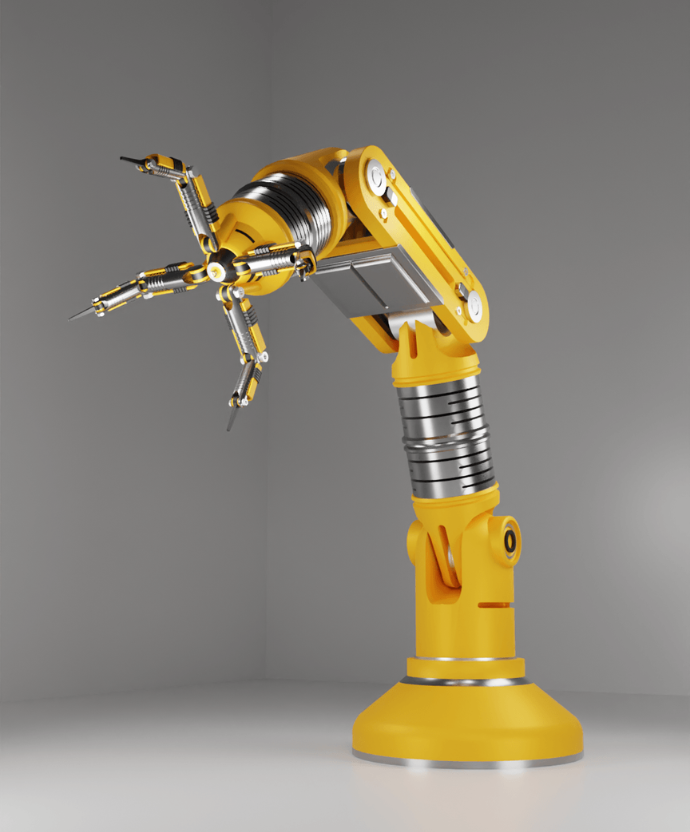
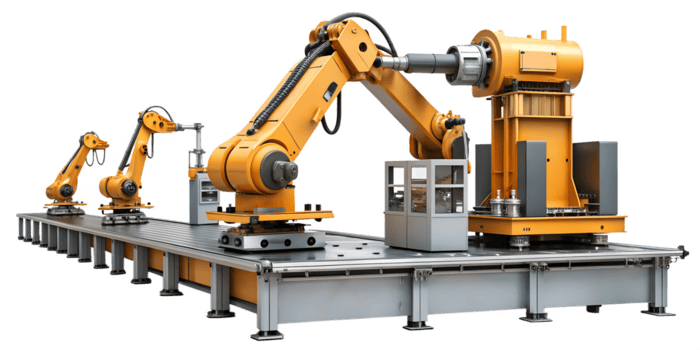
We support robotic system development through a combination of:
As robotic systems become more capable, they also become more difficult to engineer.
Additional sensing capabilities increase data complexity. Higher autonomy introduces
computational demands. Greater performance requirements create tighter engineering constraints.
Every new capability introduces new interactions that must be understood and managed.
Without structure, complexity quickly becomes a source of risk.
Our engineering methodologies are designed to maintain clarity throughout this process. Through
requirements management, architecture definition, interface development, simulation-based
evaluation, and verification frameworks, we create systems that remain understandable even as
technical sophistication increases.
This structured approach helps teams move from conceptual ideas toward mature engineering
solutions with greater confidence and fewer unexpected challenges.
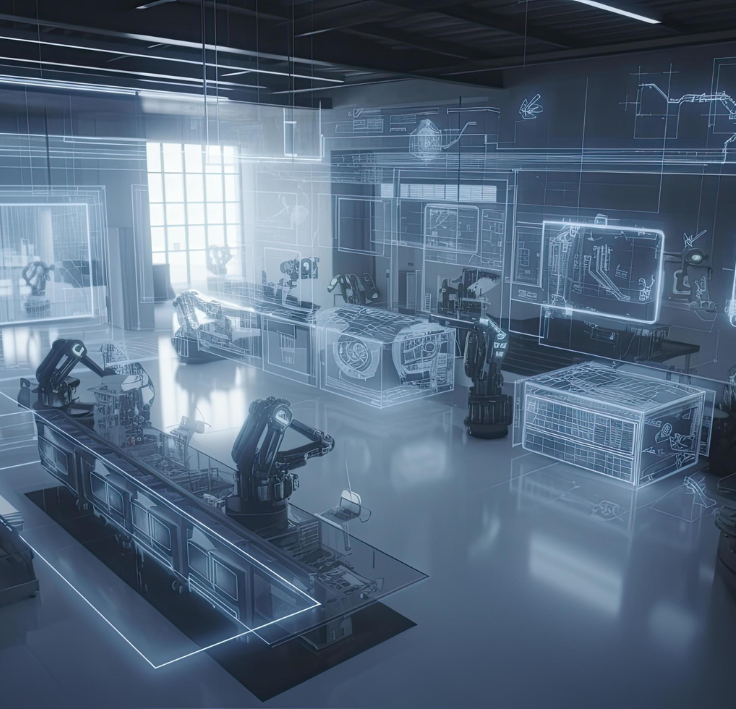
The future of robotics will be defined by increasingly sophisticated interactions between mechanical
systems, intelligent software, advanced sensing technologies, and real-time decision-making
frameworks.
Developing these systems requires more than expertise within individual domains. It requires an
engineering approach capable of understanding how those domains influence one another and how
they contribute to overall system performance.
That is the challenge we solve.
Through multidisciplinary engineering, rigorous analysis, and systems-level thinking, we help
transform complex robotics concepts into structured, scalable, and technically mature solutions.
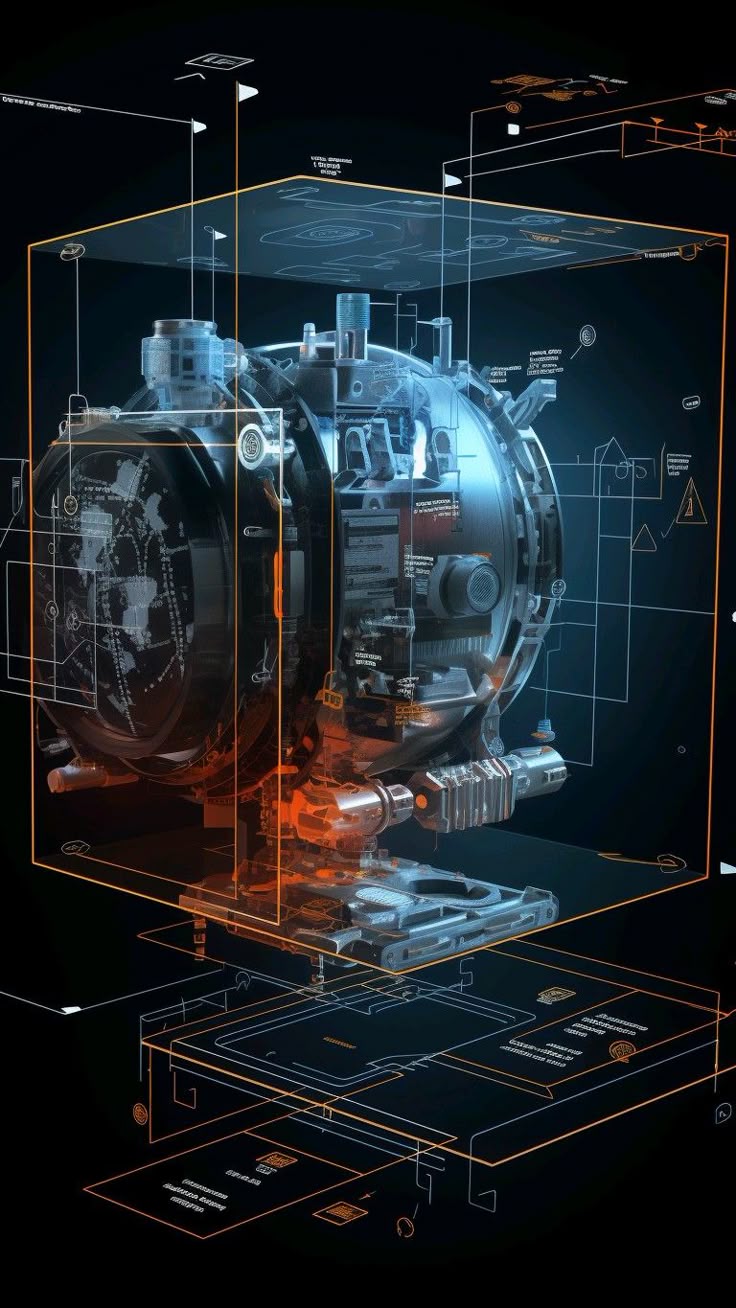
Some projects begin with a high-level concept that requires system definition and feasibility
analysis. Others involve refining existing architectures, improving performance, resolving
integration challenges, or evaluating new technical directions.
Regardless of project stage, our objective remains consistent: provide the engineering foundation
required to support informed technical decisions.
From initial architecture development through detailed design, analysis, optimization, and
validation, we help ensure that every stage of development contributes toward a coherent and
technically robust system.
Because successful robotics is not the result of individual technologies alone.
It is the result of engineering those technologies into a system that works.